
The workshop: birthplace of mineral and fossil sculptures
On this page you will find the latest sculpted piece, a work in progress, as well as a selection of blocks intended for future sculptures. To see the sculptures currently available, you can visit the shop.
WORK IN THE WORKSHOP
Last block release
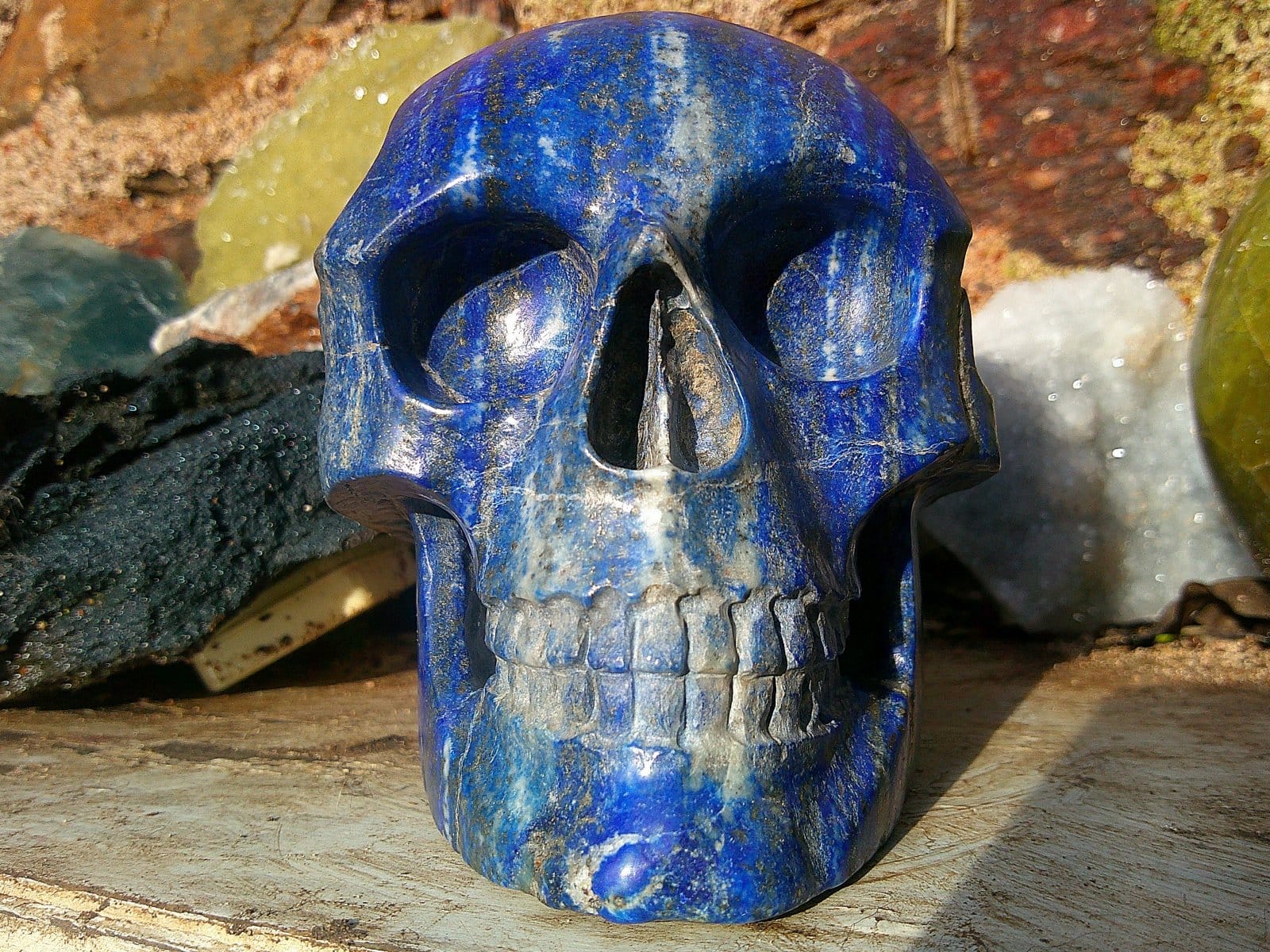
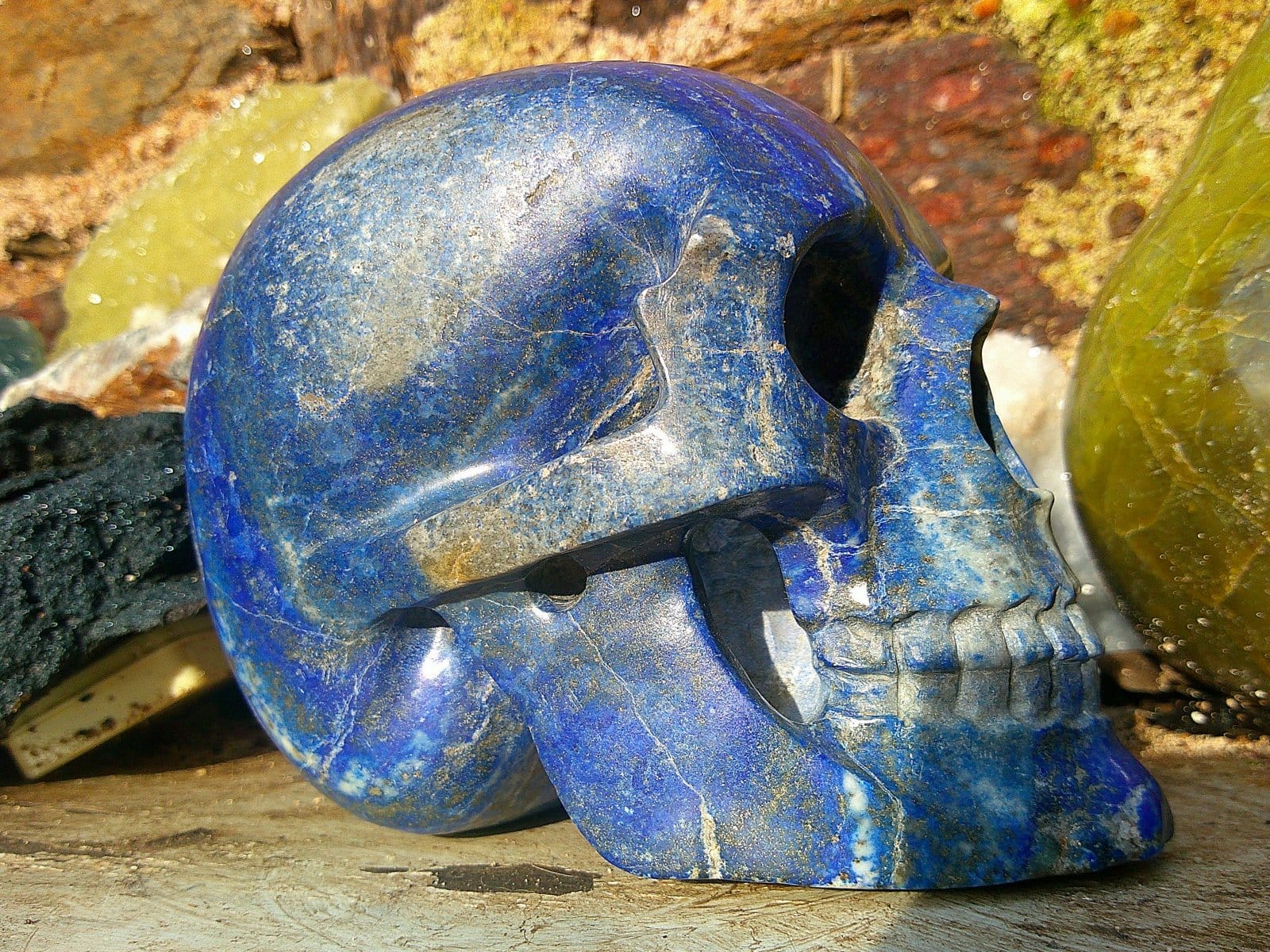
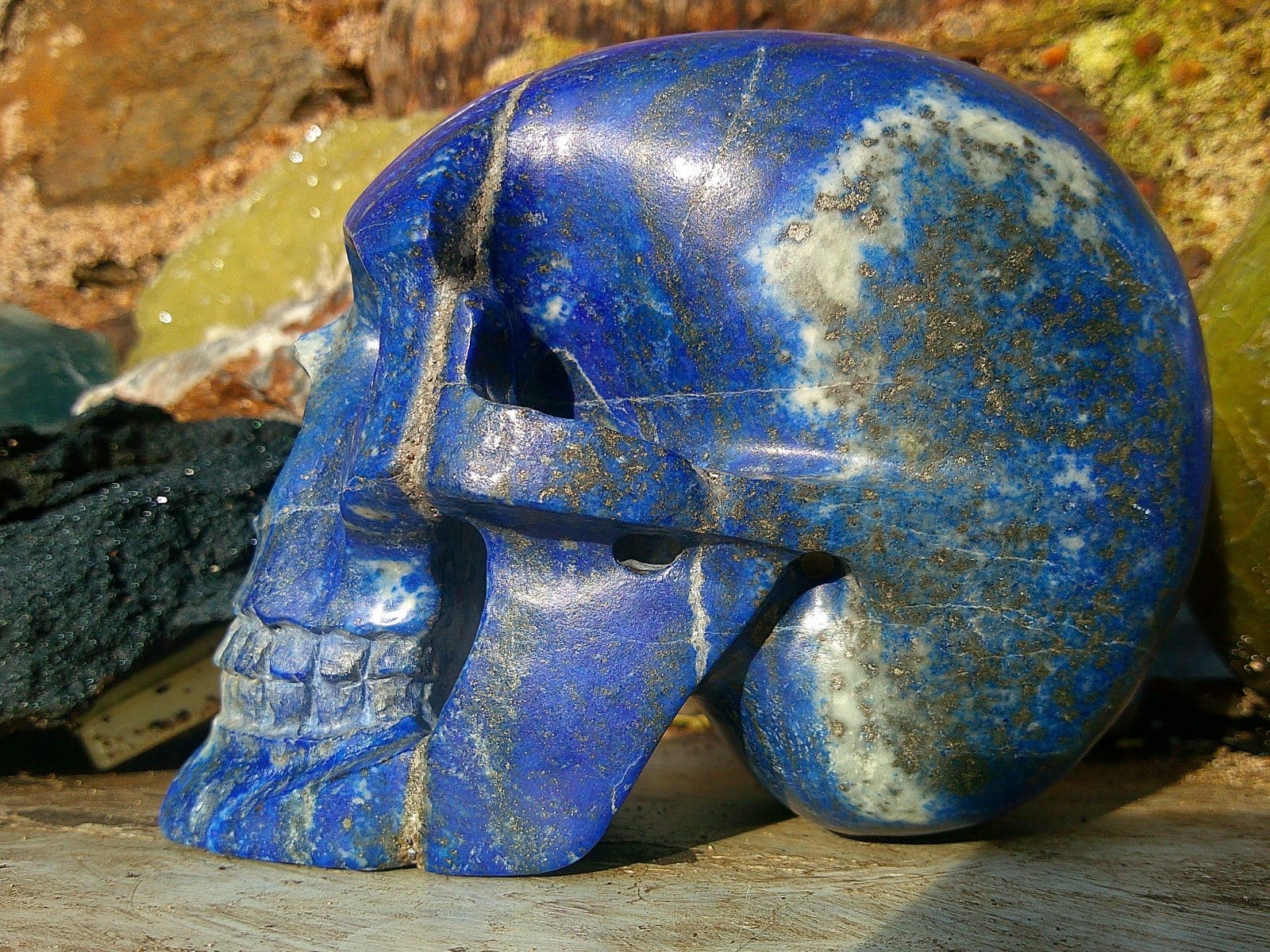
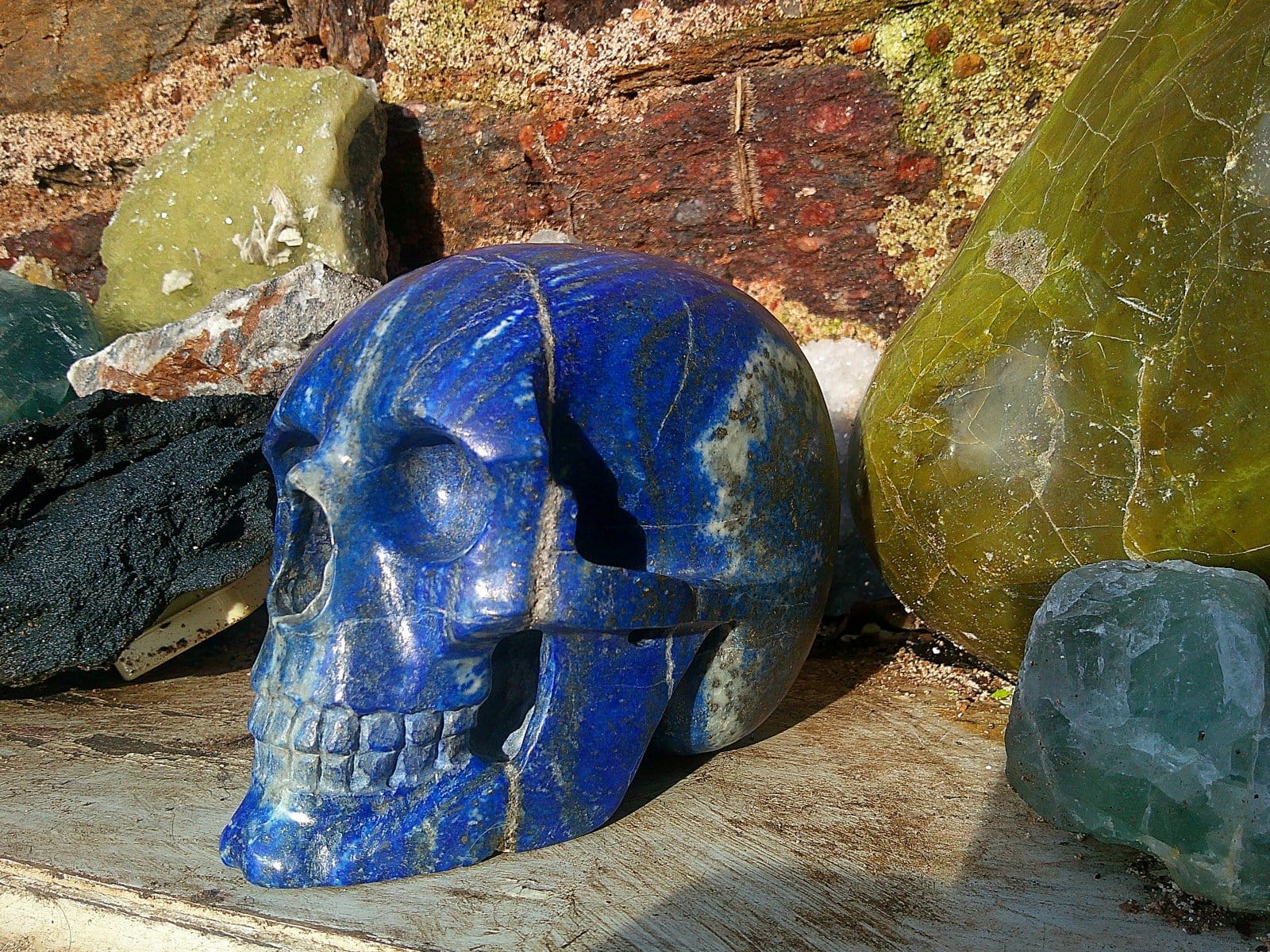
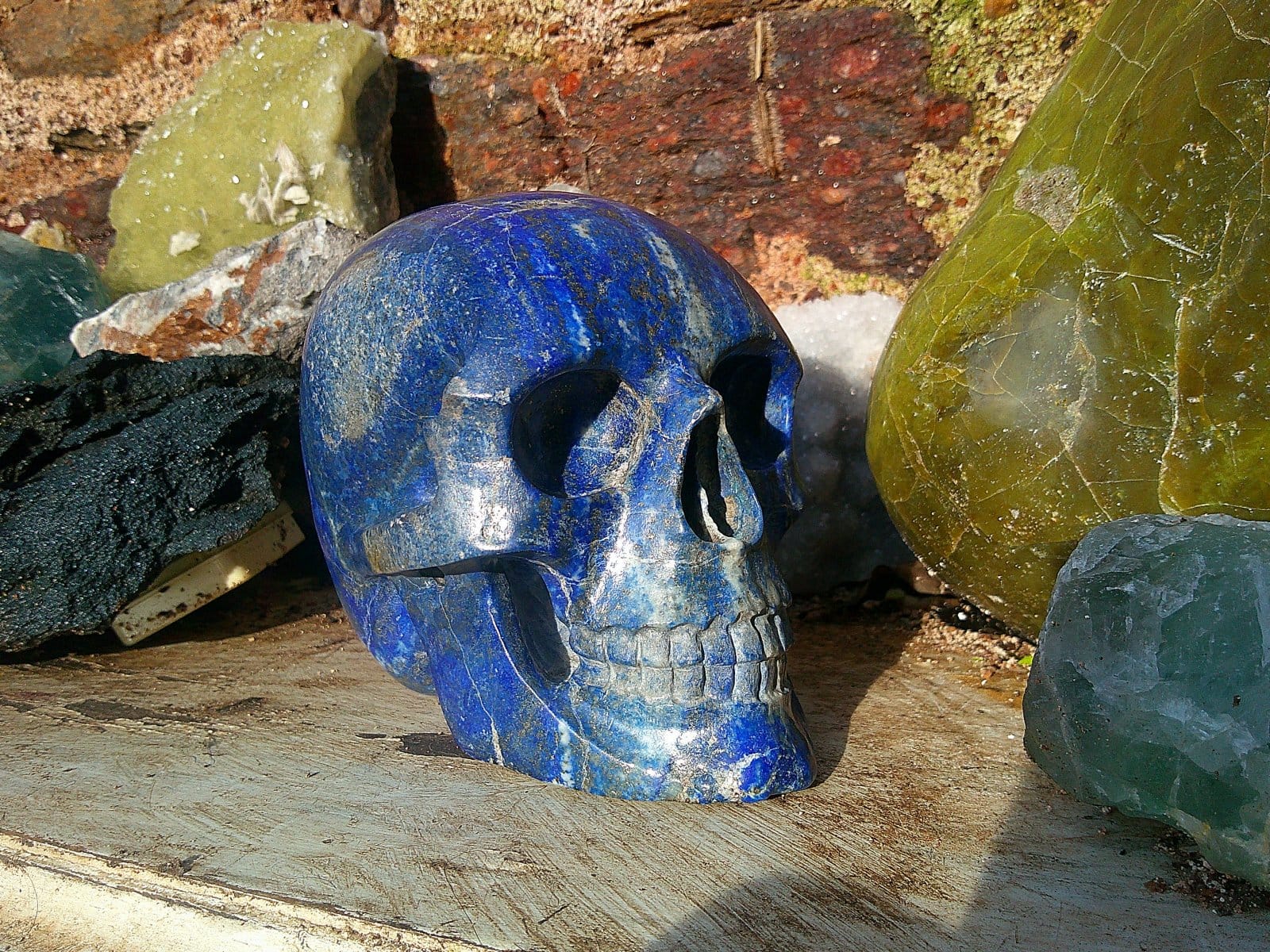
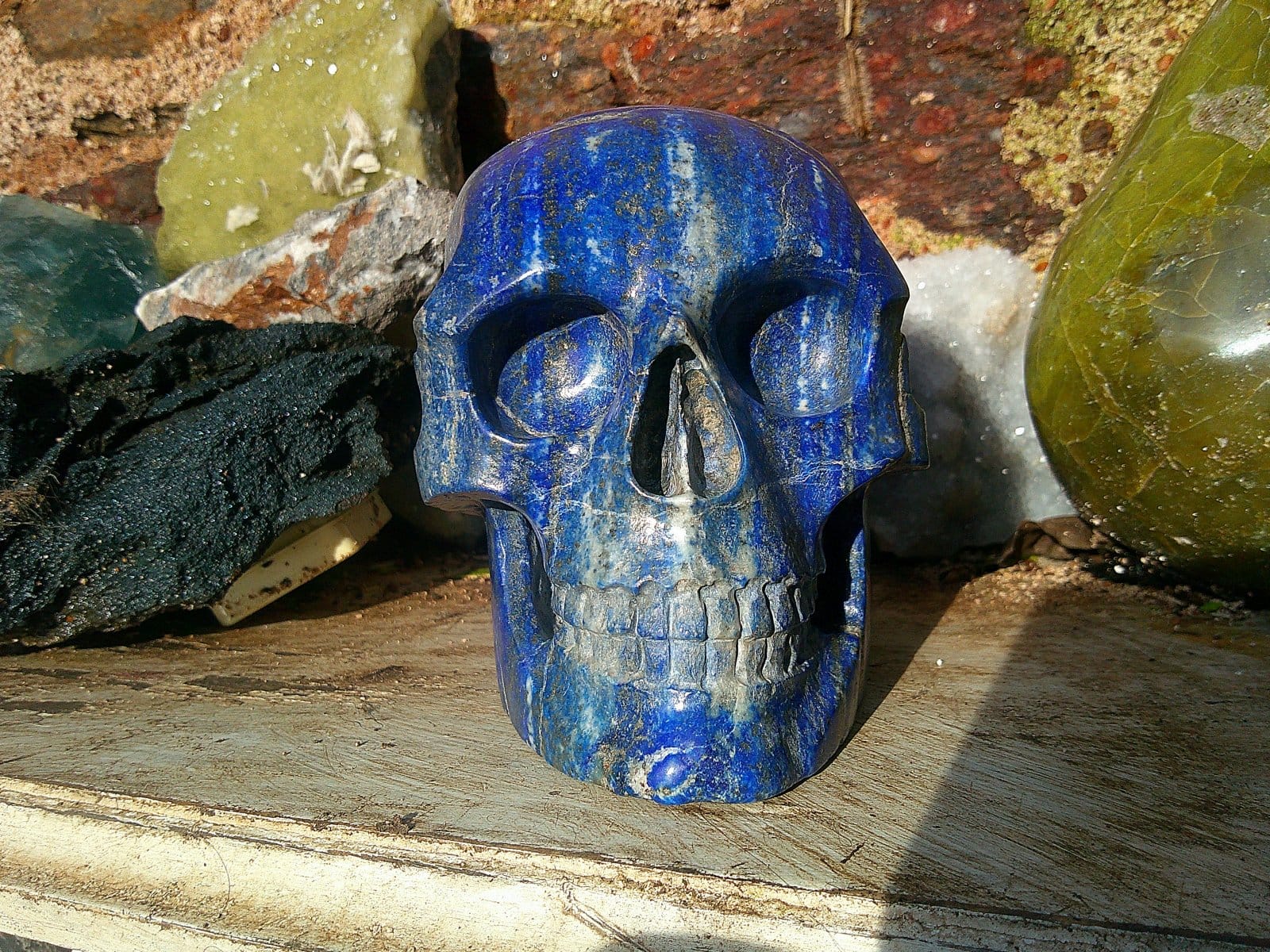
Kalhos
Mineral: Lapis lazuli
Dimensions (L x W x H): 13.5 x 8.5 x 10 cm
Weight: 1.87 kg
Creative process
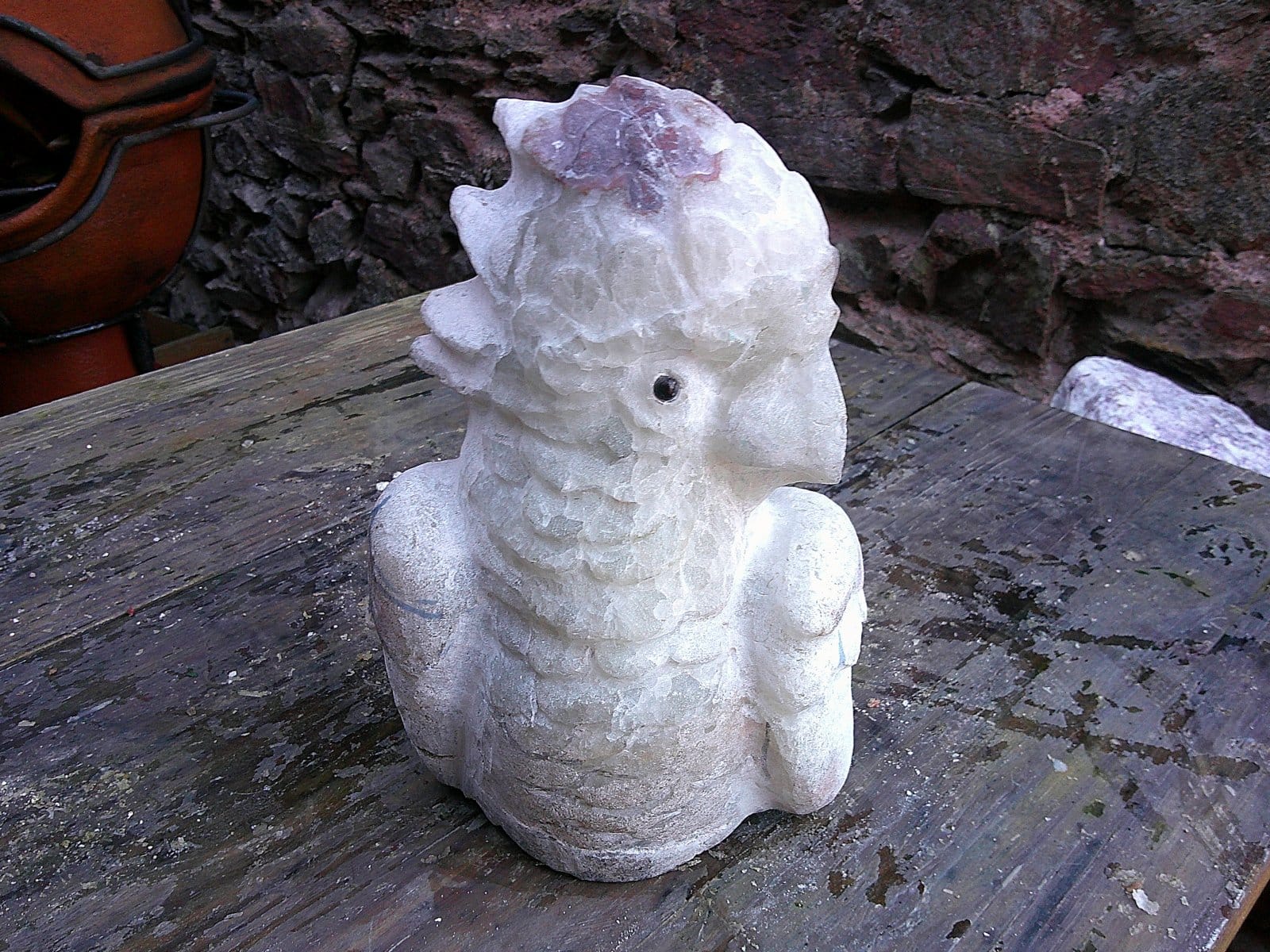
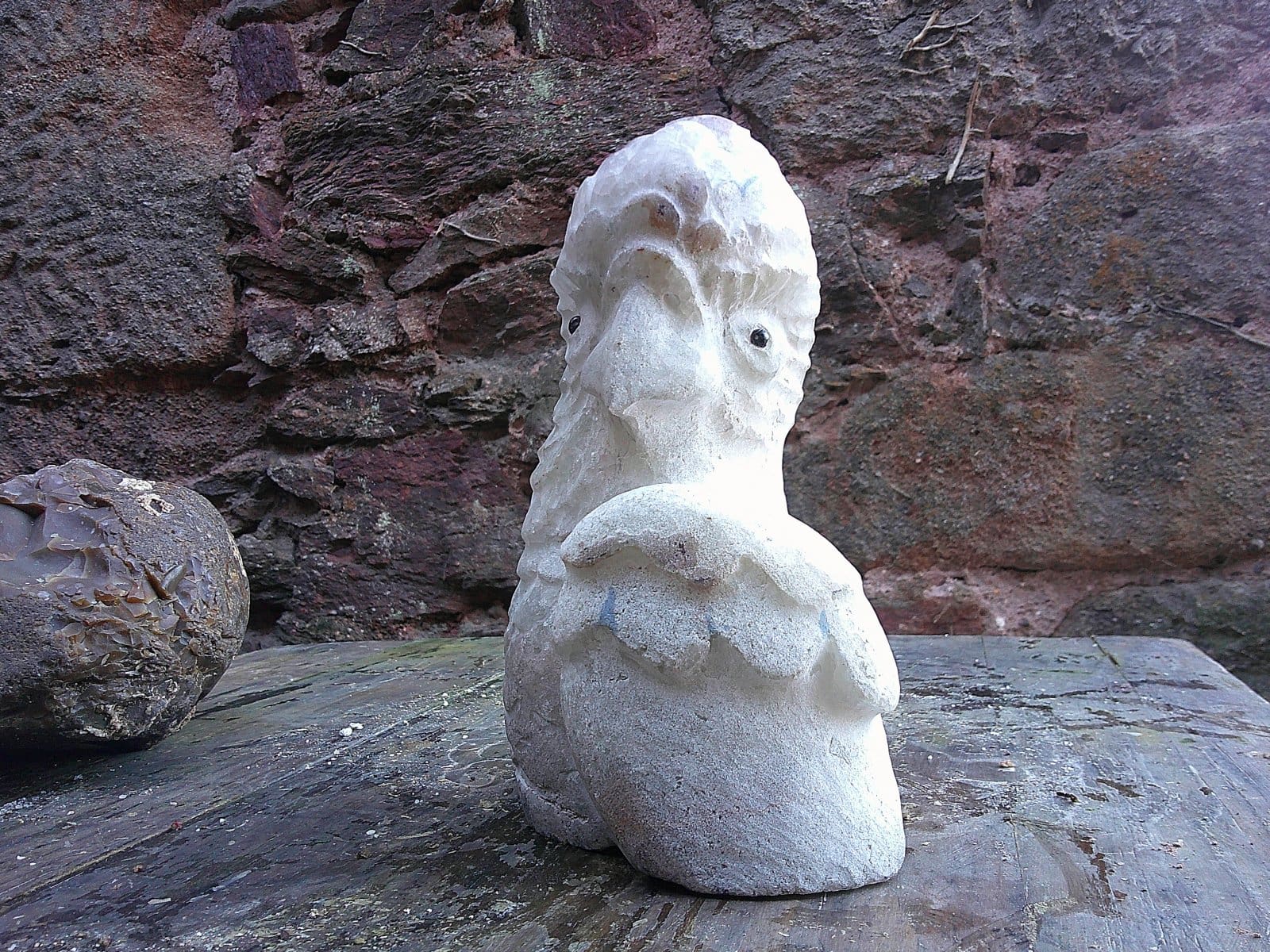
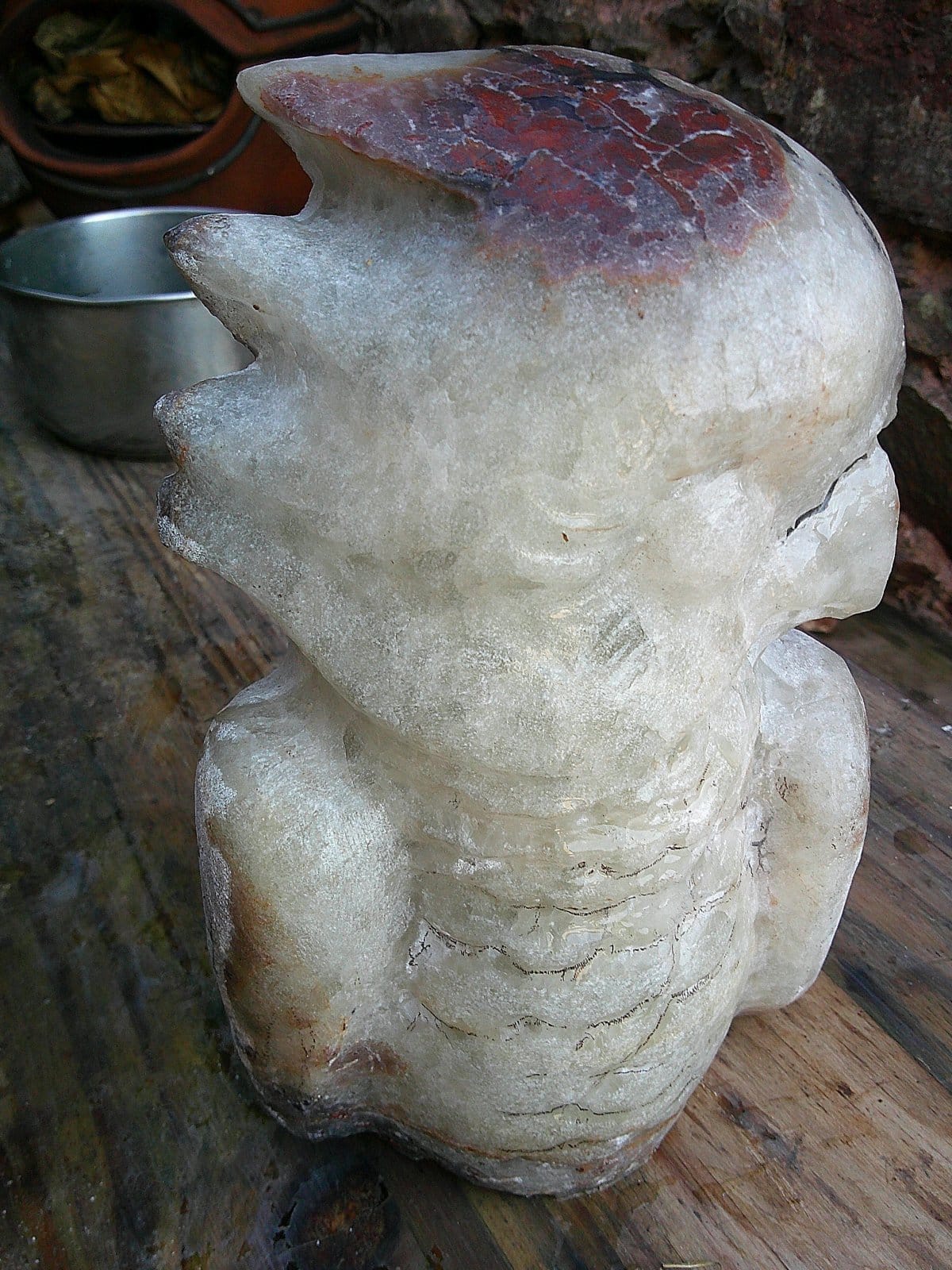
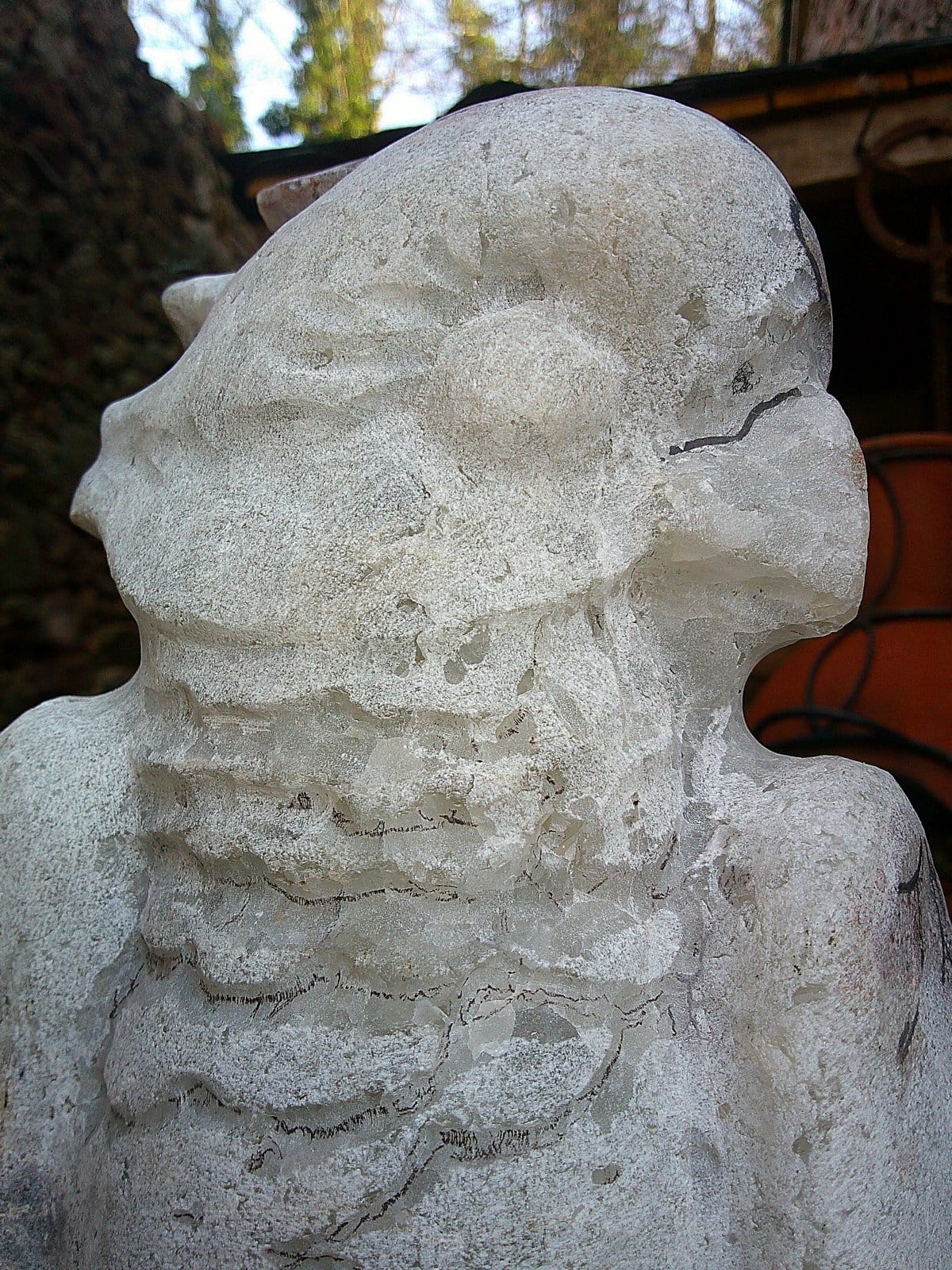
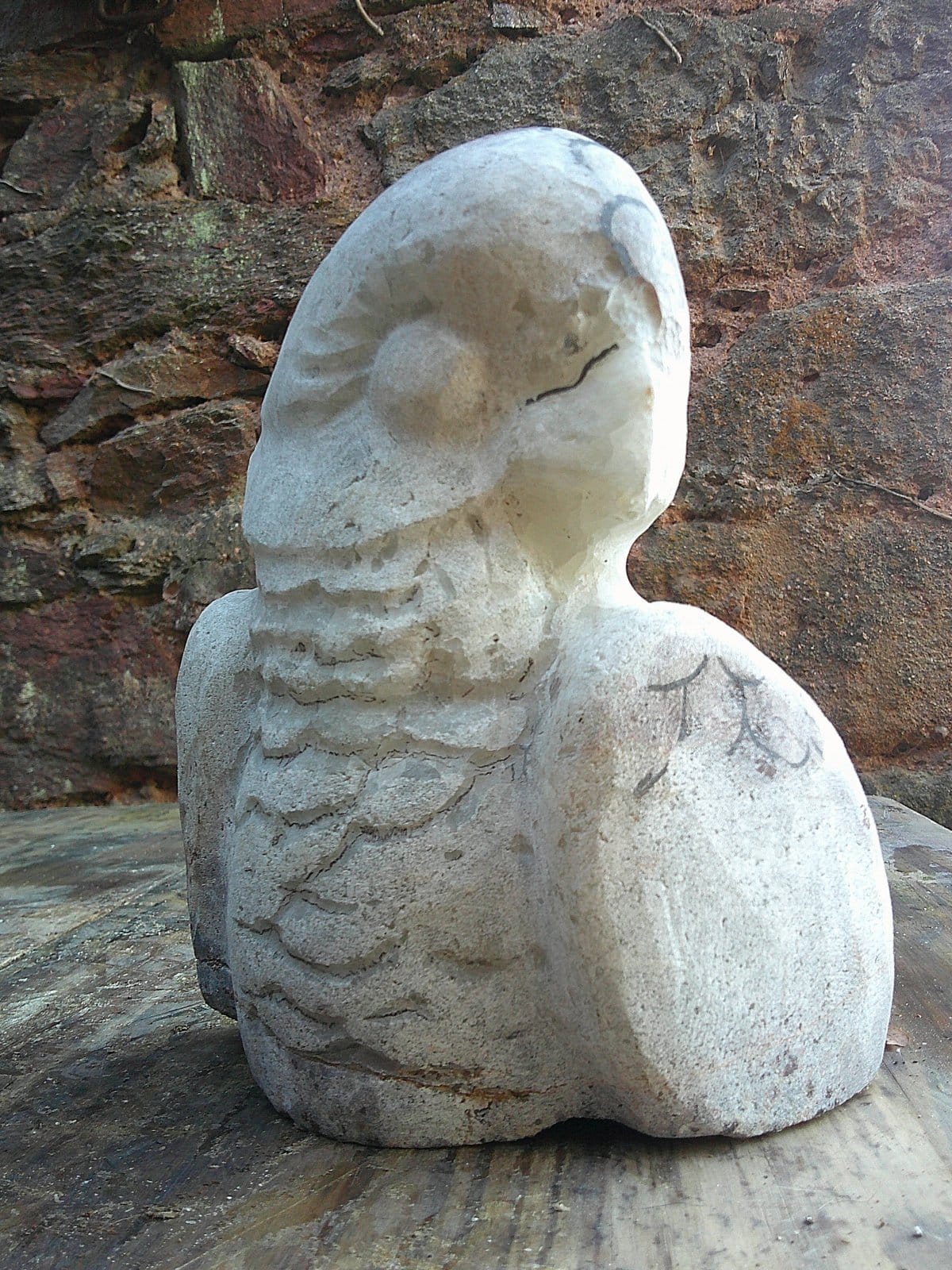
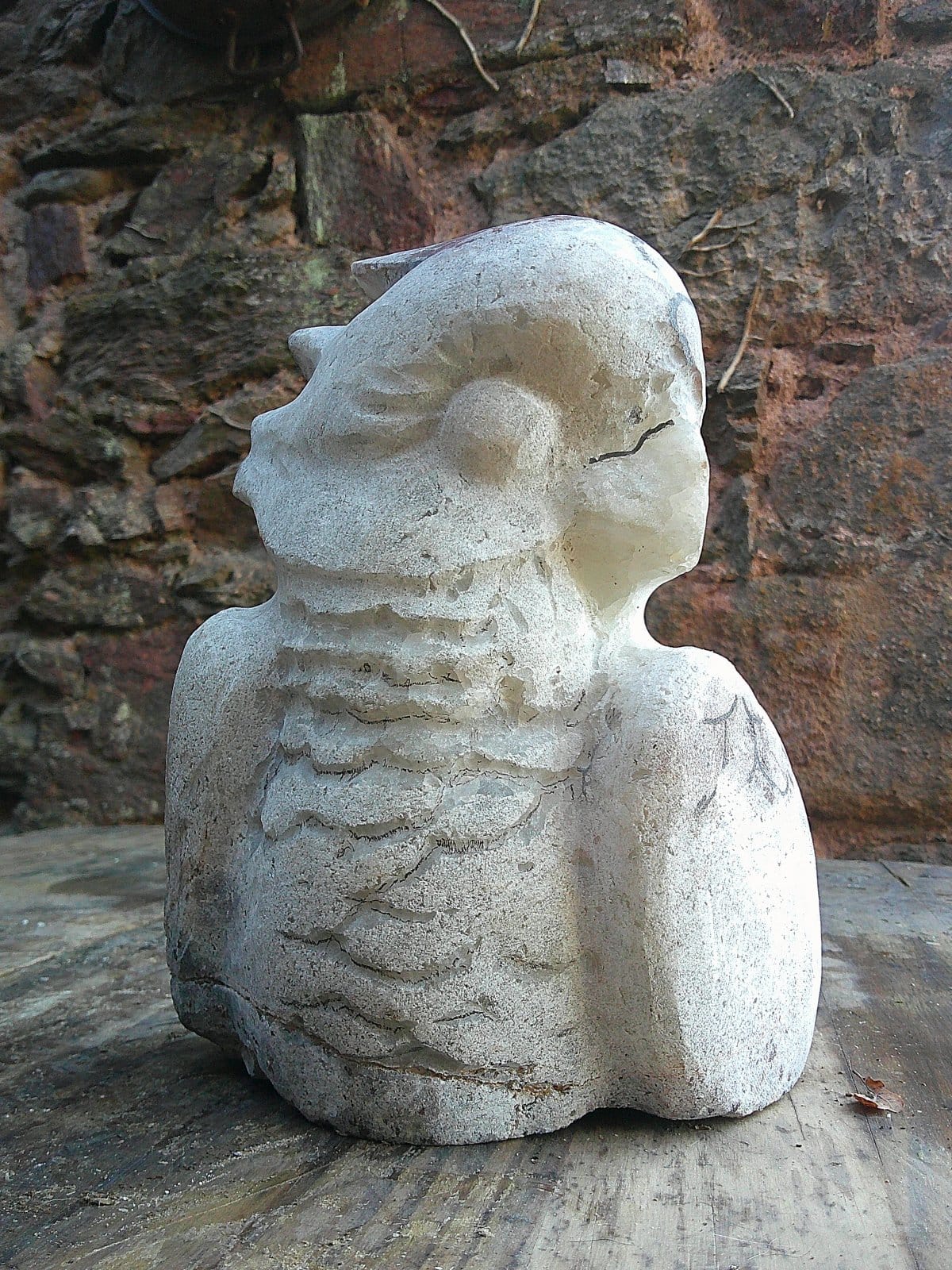
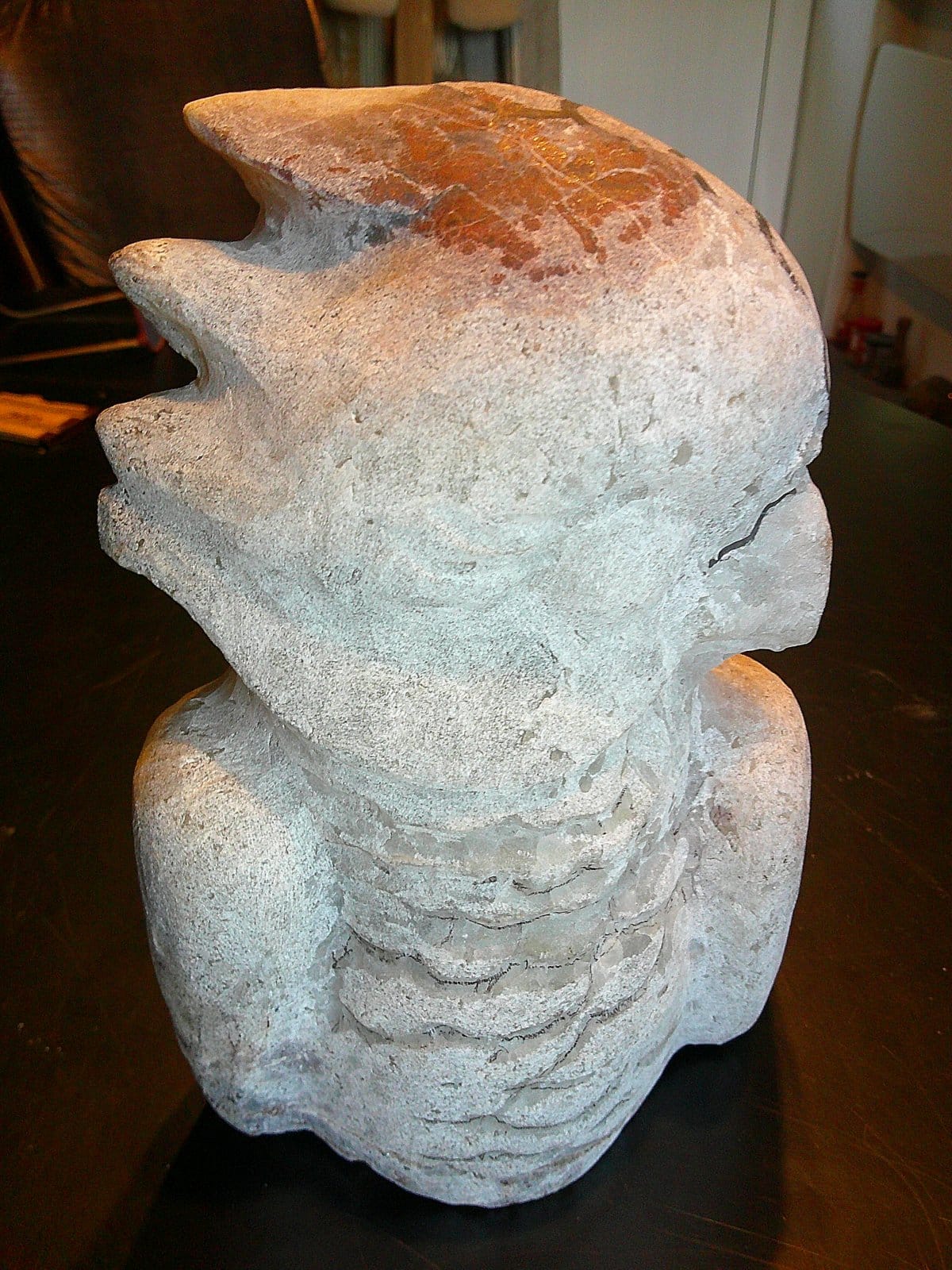
Coco
Mineral: White agate from Morocco
Dimensions (L x W x H): 18 x 10 x 24 cm
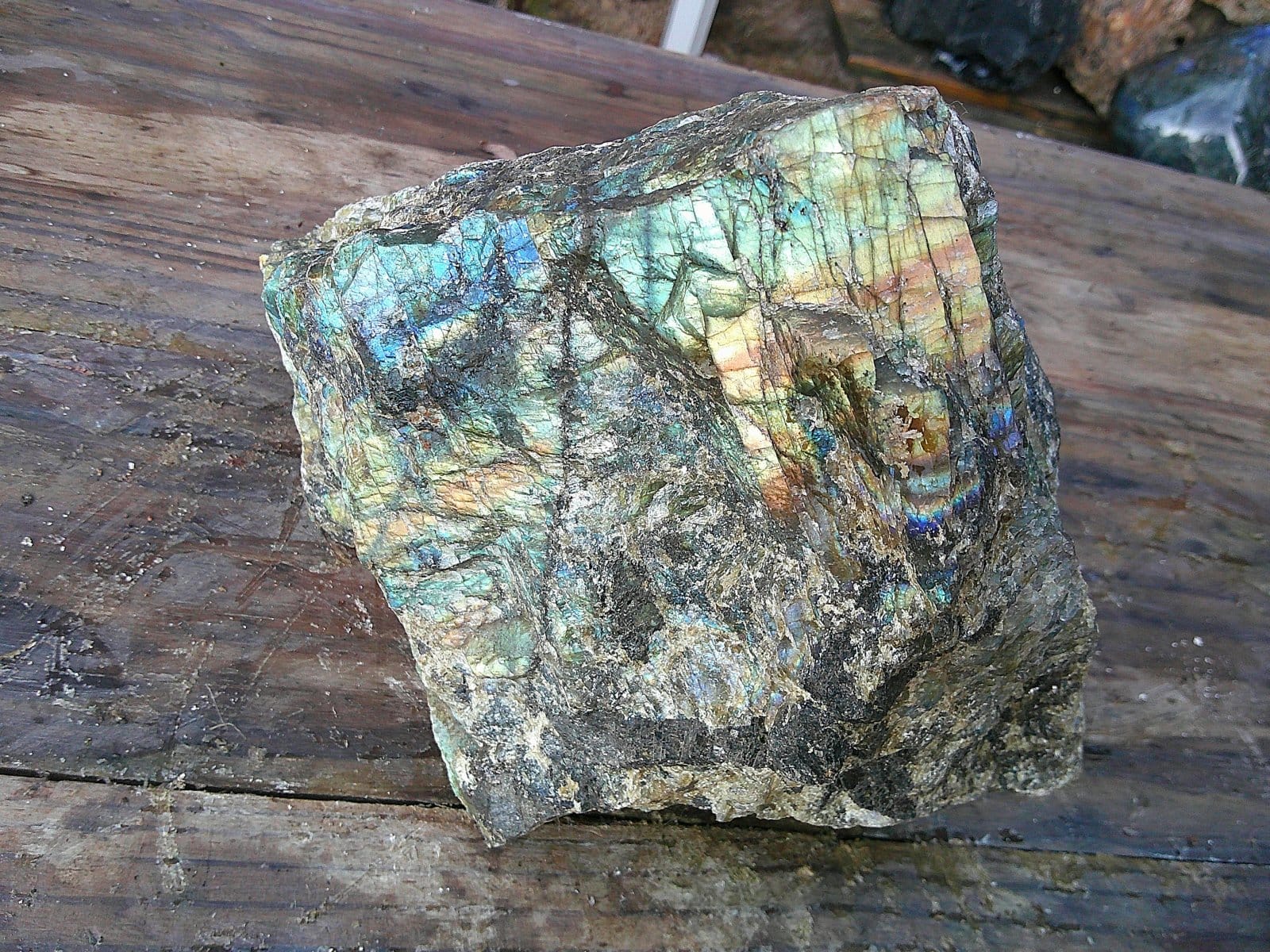
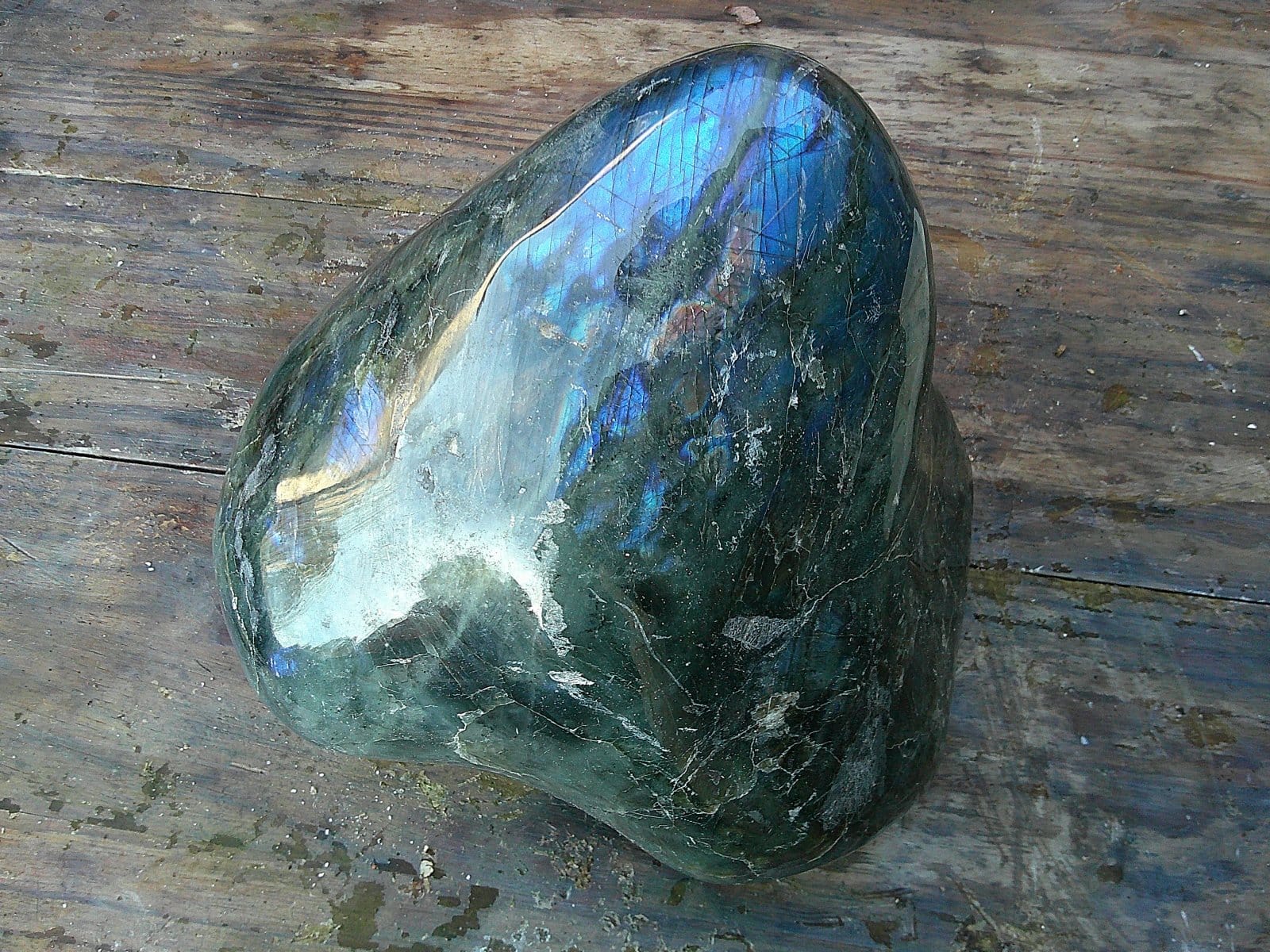
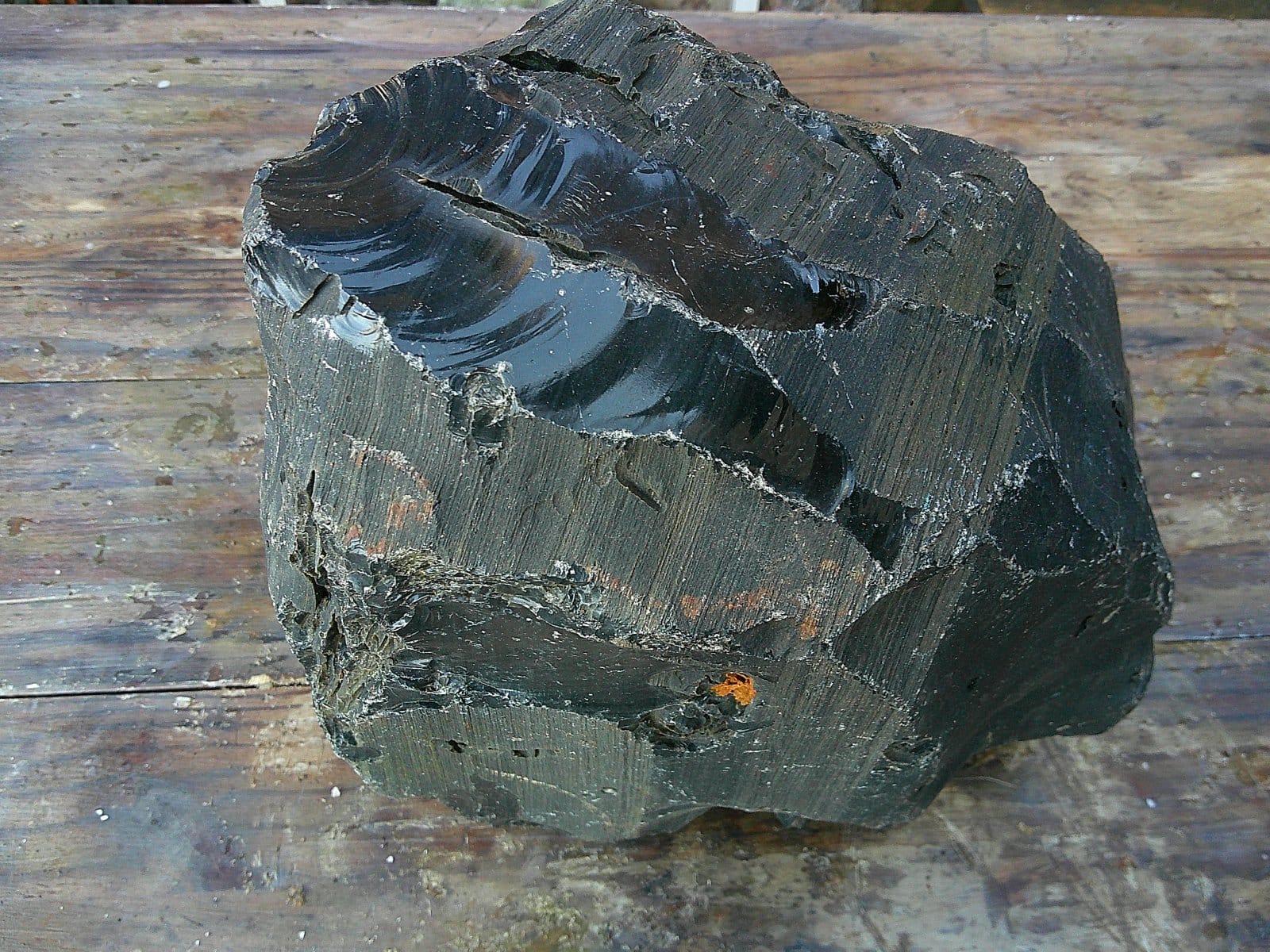
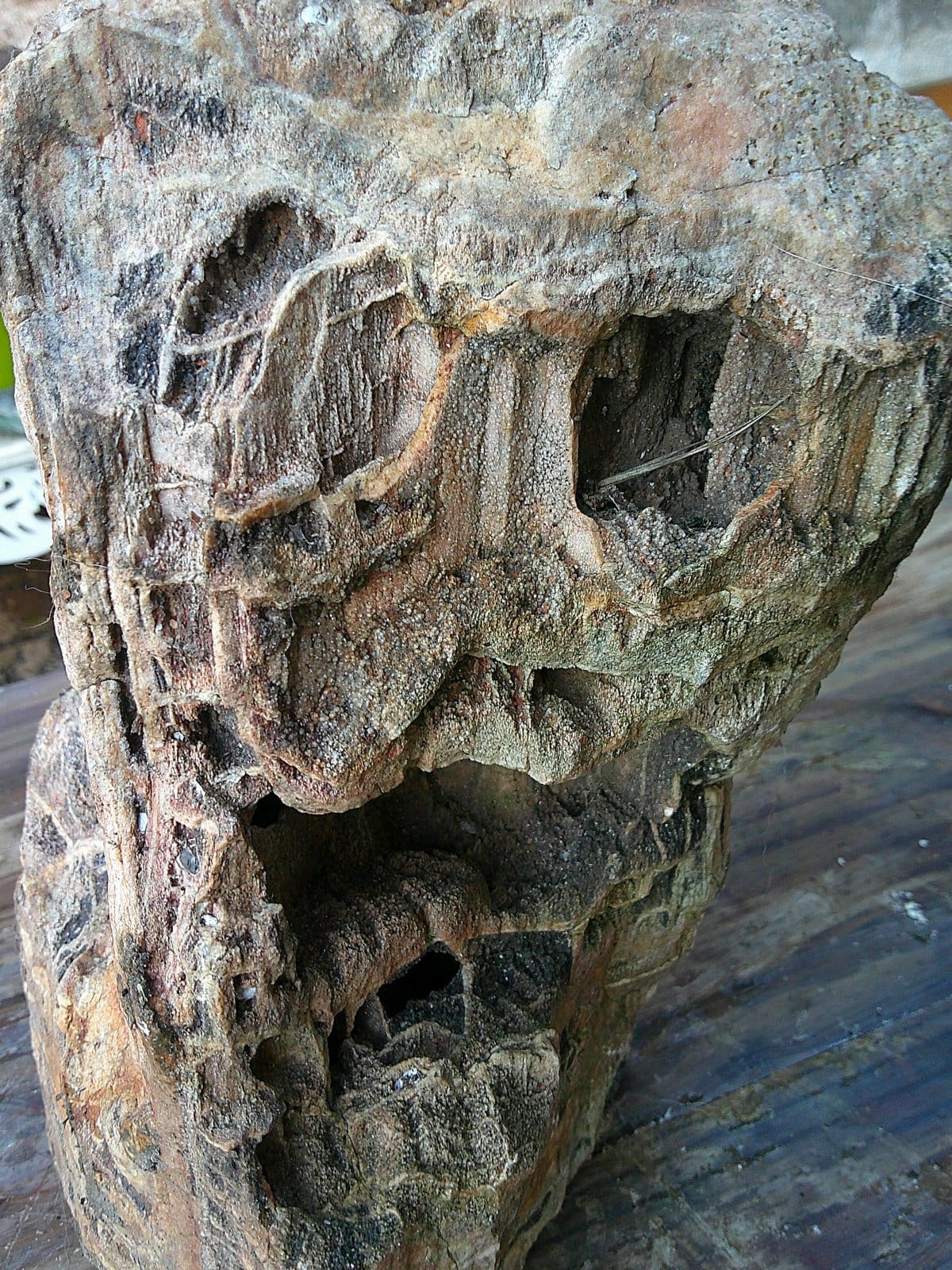
Rocks in reserve
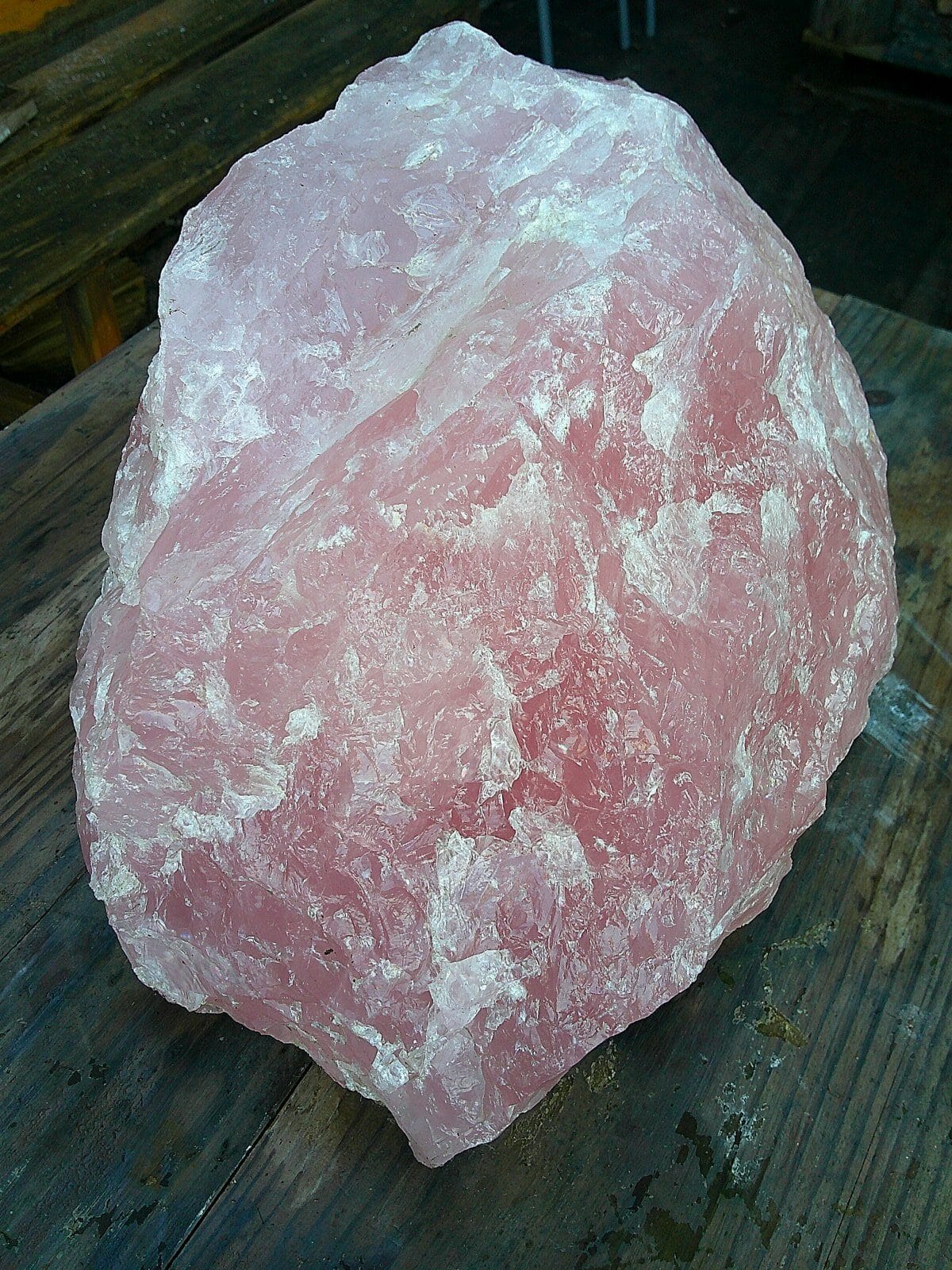
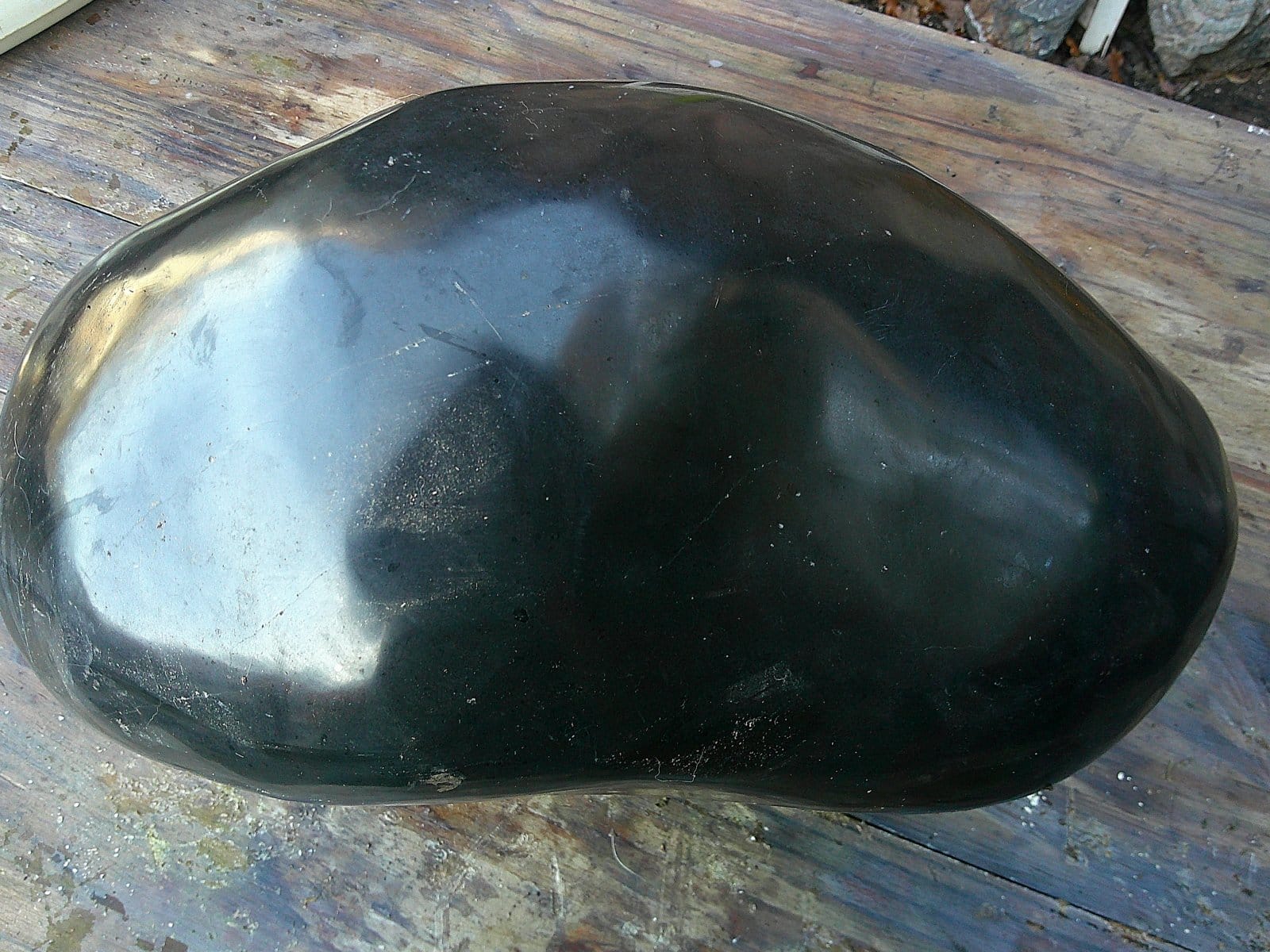
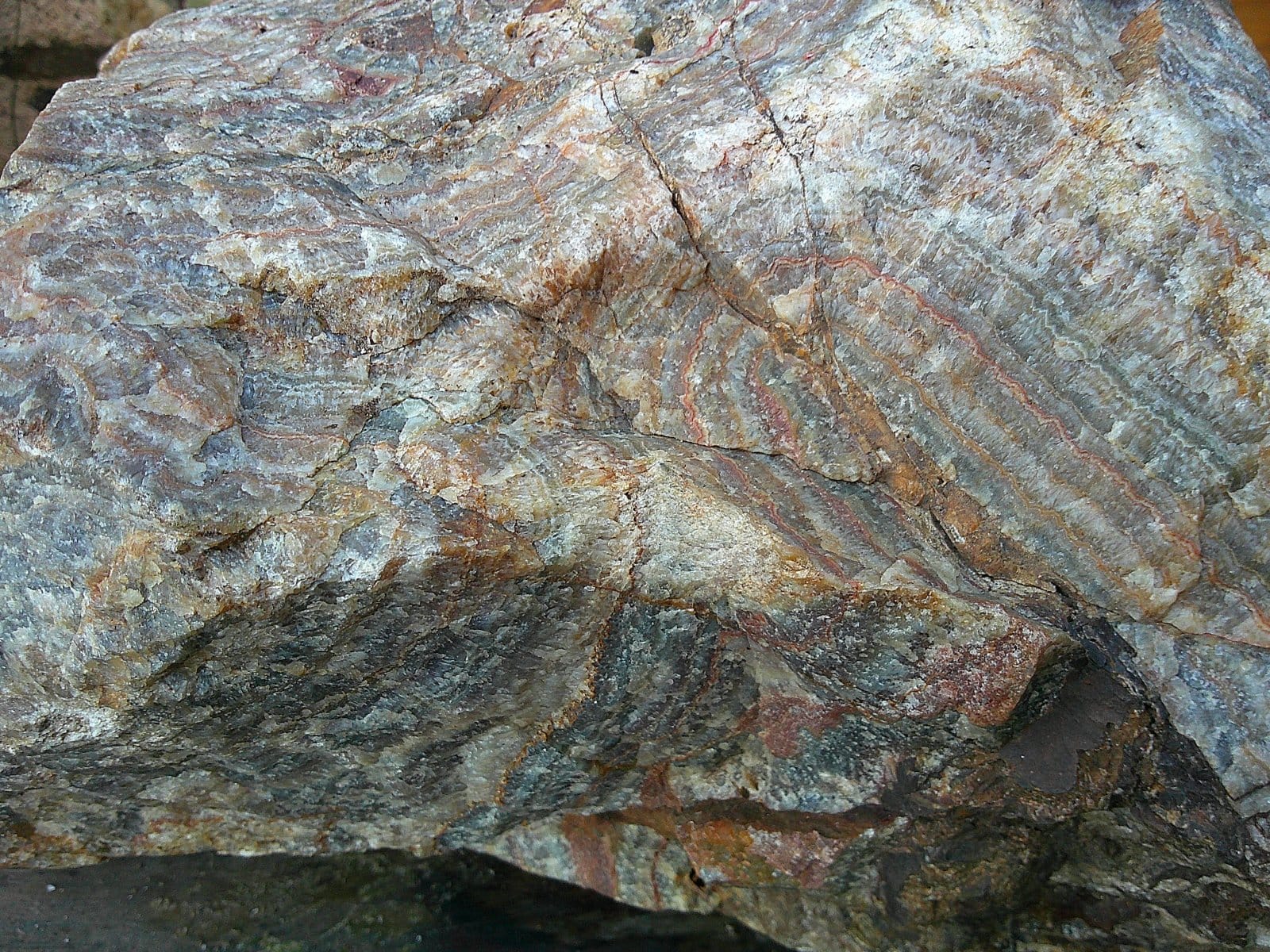
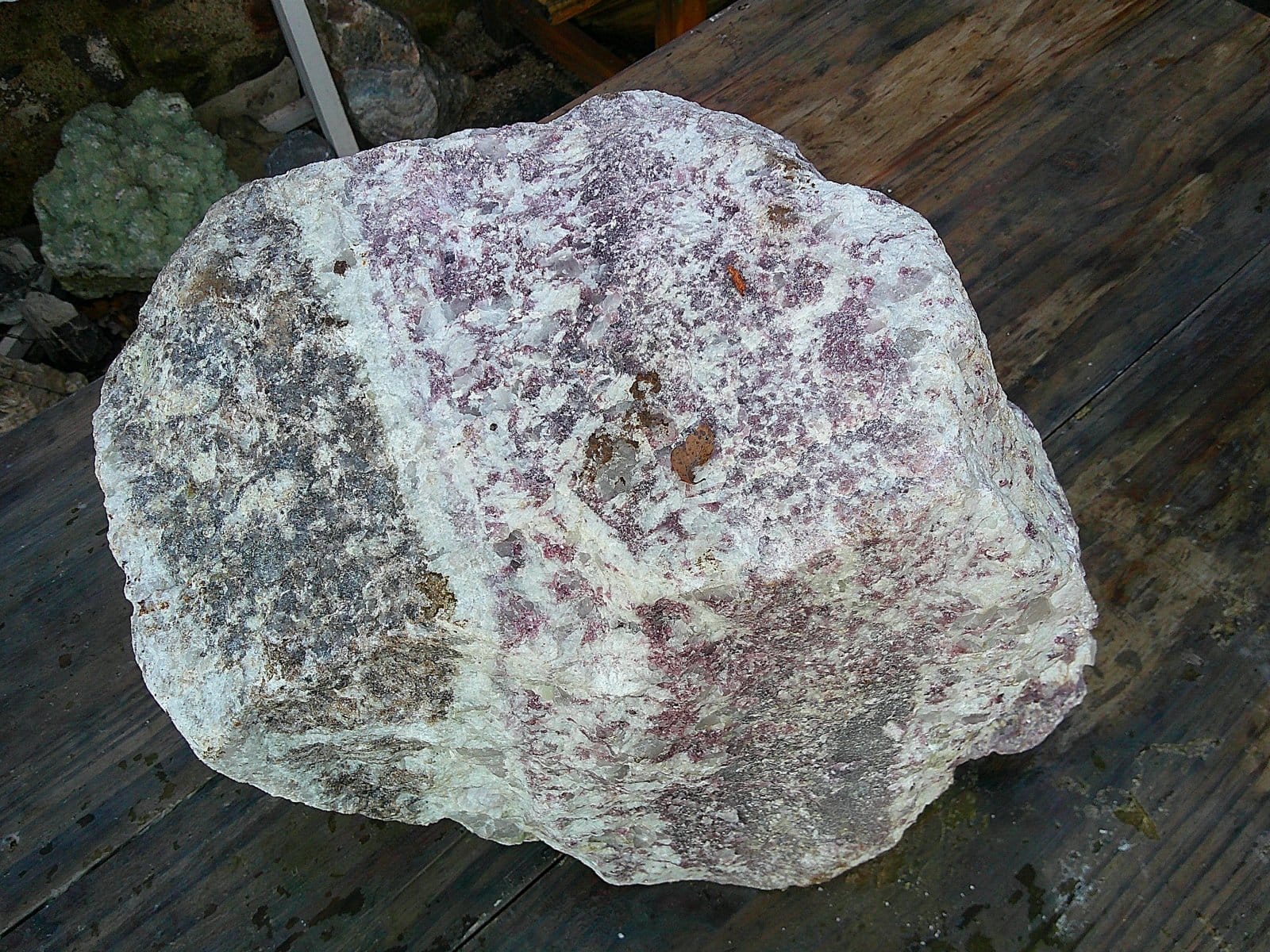
Blocks of minerals selected for future sculptures: labradorite, quartz, tourmaline, and others.

MINERALS AND SCULPTING CONSTRAINTS
Sculpted material
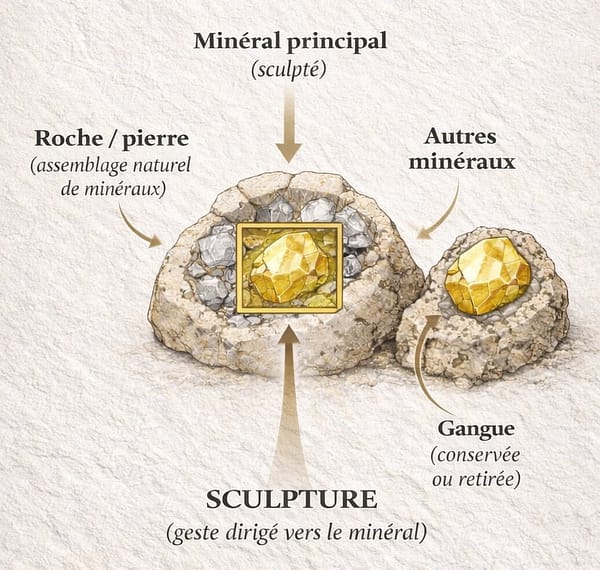
At the Karving12 workshop, mineral material is at the heart of sculpture.
Stone or rock are natural assemblages of minerals, formed by geological processes.
I can sculpt a solid mineral, a mineral still bound to its matrix, or a rock in which several minerals coexist.
The physical properties of the mineral—hardness, grain, structure, strength—influence my work , particularly in terms of the possibilities for finishing, polishing, and reading details.
Understanding these parameters is essential to grasping the sculptor's technique.
The Mohs scale
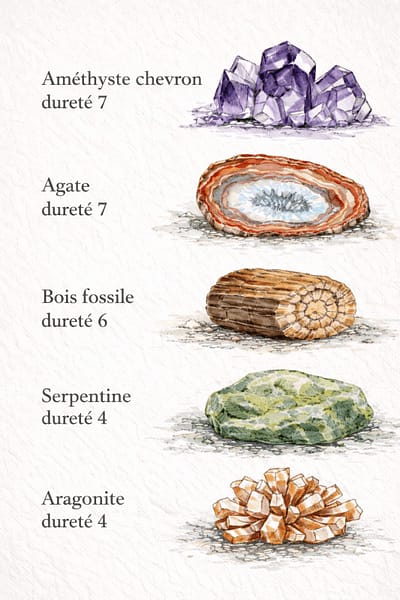
The hardness of minerals, measured onthe Mohs scale, directly influences the sculpting process, the tools used, and the time required to complete each piece.
Example of hardness (Mohs scale) applied to minerals carved in the workshop with some theoretical reference points:
The values listed below are orders of magnitude. The hardness of the same mineral can vary depending on its structure, origin, and state of fossilization.
- Calcite: hardness 3
- Aragonite: hardness ~3.5 to 4
- Serpentine: hardness ~3 to 5
- Fossilized ammonite: hardness ~3 to 4
- Apatite: hardness 5
- Fossil wood: hardness ~5 to 6
- Quartz ( including chevron amethyst): hardness 7
- Topaz: hardness 8
- Corundum: hardness 9
- Diamond: hardness 10
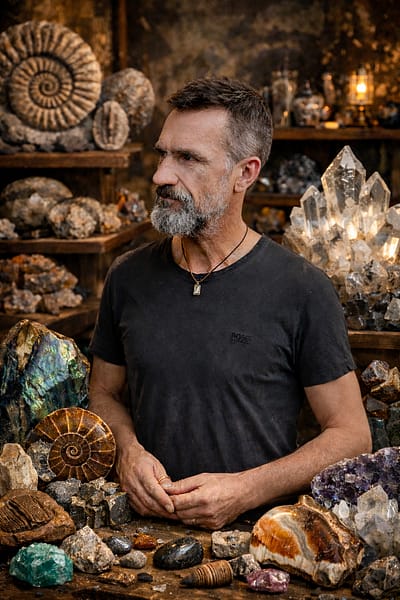
's dream workshop (AI-generated image)
The harder a mineral is, the longer and more demanding the work is for the tools and the sculptor. In the workshop, hardness influences the sculpture produced but never determines it on its own.
The main minerals worked on in the workshop have a hardness rating of between 3 and 7.
Mini FAQ
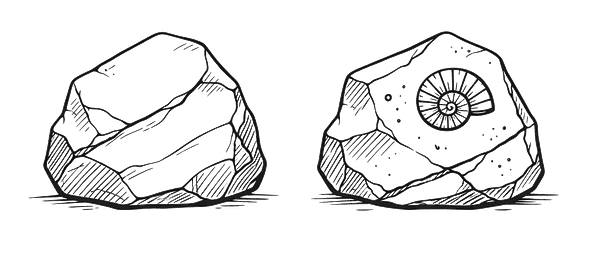
Are all sculptures unique pieces? Yes, each piece is carved from a single block of mineral or fossil. There are no molds, templates, or reproductions.
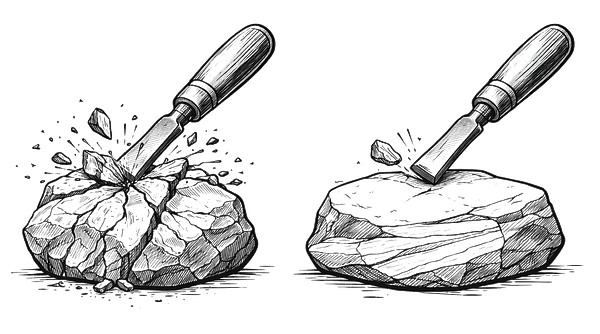
Are all minerals worked in the same way? No. Minerals impose their own constraints: hardness, internal structure, possible fractures. Sculpture, and the sculptor, always adapt to the mineral.
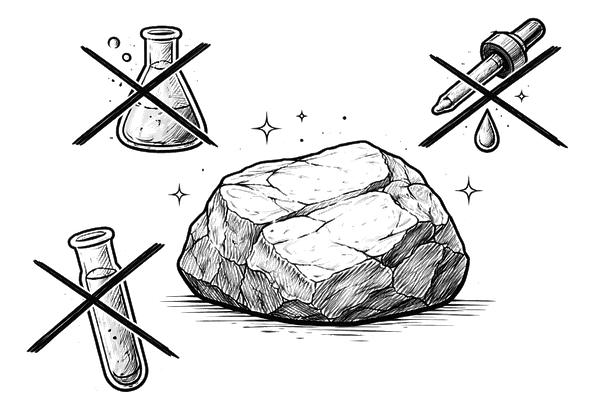
Are the minerals treated or stabilized? No . The minerals are worked in their natural state. No chemical treatment is applied before or after sculpting.
Where do the carved minerals and fossils come from? We favor known and responsible sources (legal deposits, identified suppliers in France and internationally), even if some older or artisanal channels do not allow for complete traceability.